



The number on the charger is not the whole story
It is easy to compare EV chargers by their maximum power rating and assume that the higher number will always produce a faster charging experience. Real-world charging is more complicated.
The charger is one part of a system that includes the vehicle, battery, electrical infrastructure, other charging activity at the site and the way the property is intended to operate.
A well-planned charging project starts by understanding those relationships rather than selecting equipment from a specification sheet alone.
1. The vehicle sets an important limit
Every EV has its own charging capabilities. A vehicle can only accept energy at the rate supported by its onboard charging system or DC fast-charging capability.
That means a high-power charger does not guarantee that every vehicle connected to it will draw the charger's full rated output. Different vehicles can behave differently on the same charging equipment.
For property owners, this matters because charger selection should reflect the vehicles expected at the site, not just the highest available charger rating.
2. Battery state and charging conditions affect the session
Charging speed can change during a session. Battery state of charge, battery management systems, temperature and vehicle software can all influence how much power the vehicle requests at a given moment.
This is especially noticeable with DC fast charging, where the highest charging rate is generally not sustained from empty to full. The vehicle manages the session to protect the battery and operating system.
For drivers and site hosts, the important point is simple: real charging time is the result of a complete vehicle-and-charger interaction.
3. The property has to supply the power
Charging equipment ultimately depends on the electrical infrastructure behind it. Available service capacity, panels, transformers, feeders, existing building loads and the distance to charging areas can all influence project design.
A charger may be capable of high output, but the property still needs an electrical plan that can support the intended charging strategy safely and reliably.
That is why site assessment and electrical planning come before assumptions about charging performance. Review what makes a commercial property EV-charging ready before treating charger output as a guarantee.
4. Multiple chargers may share available capacity
A single charger operating alone can present a very different load profile from a site with many active ports.
Depending on the design, charging power may be coordinated across ports through managed charging or load-management strategies. That can help align charging activity with available capacity and operating priorities.
The correct approach depends on the equipment, site limits, charging windows and business objectives. Load management should be evaluated as part of proper electrical planning, not as a substitute for it.
5. Level 2 and DC fast charging serve different use cases
Charging speed should be matched to dwell time.
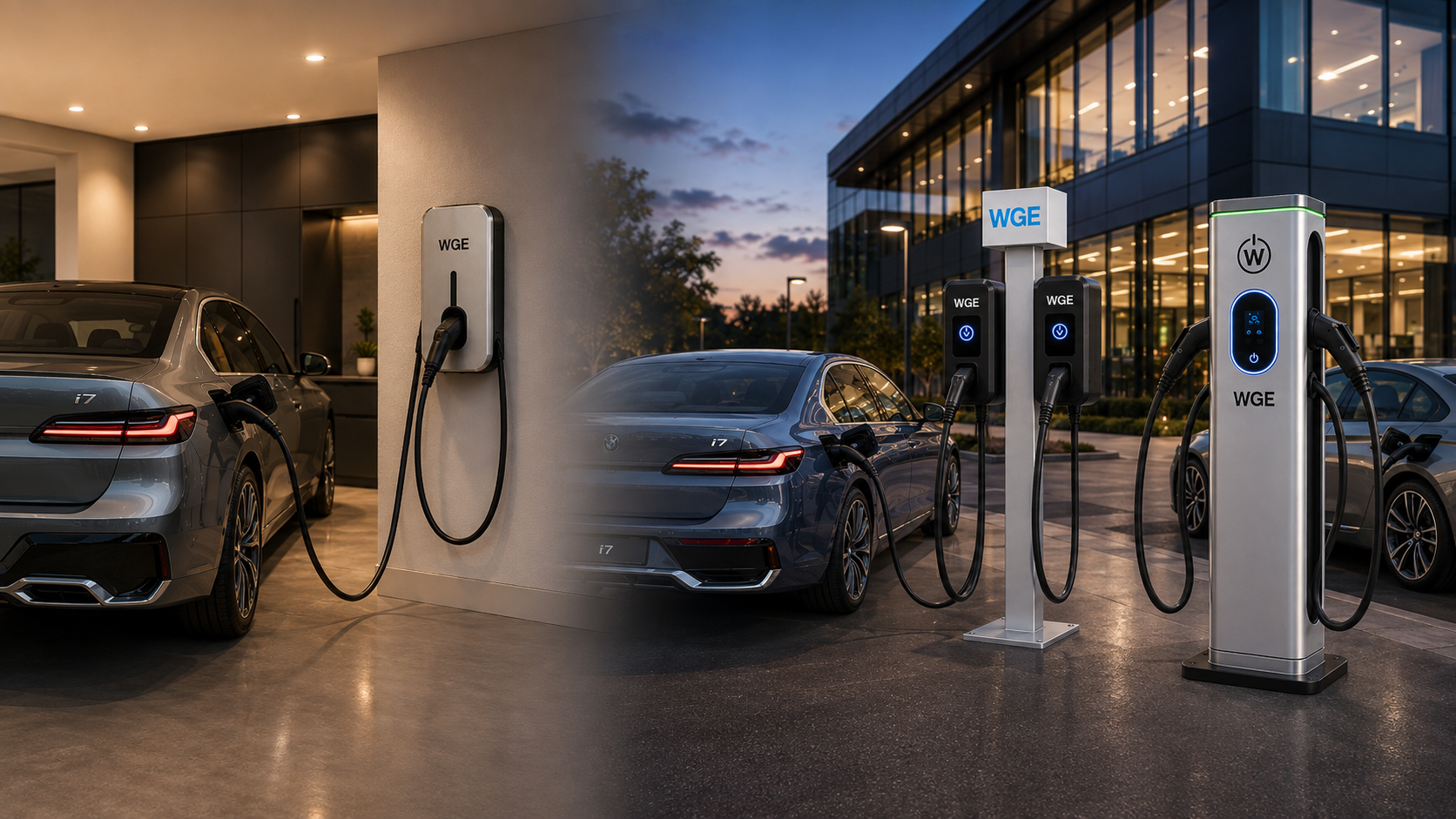
Level 2 charging is often well suited to homes, workplaces, multifamily properties, hotels and destinations where vehicles remain parked for hours.
DC fast charging can be a better fit where shorter stops, higher turnover or tighter fleet schedules make faster energy delivery more important.
The fastest possible equipment is not automatically the best fit. The right question is how quickly the site actually needs vehicles to receive energy.
6. Site design influences the user experience
Charging performance is not only electrical. A site also has to work operationally.
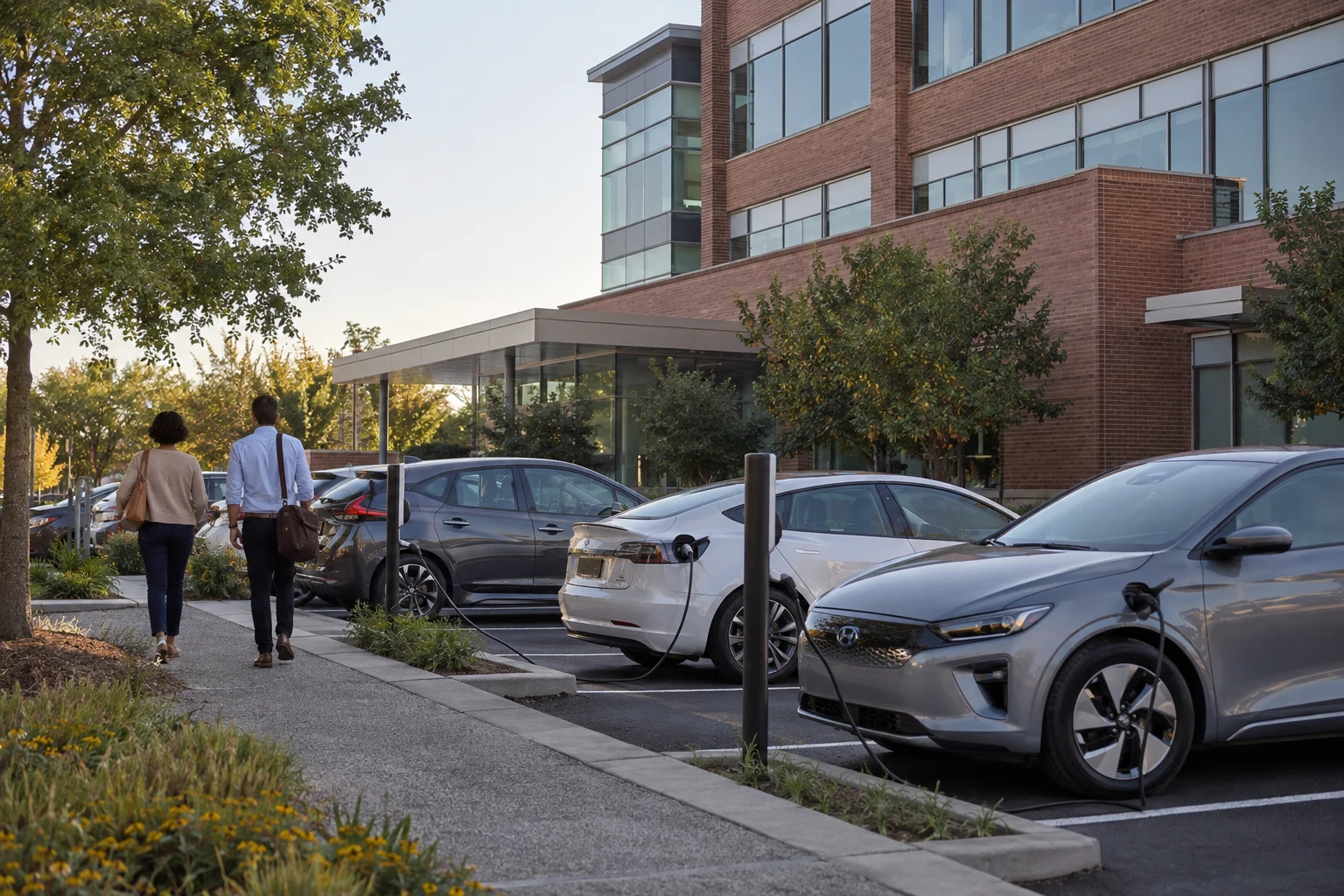
Parking layout, wayfinding, accessible routes, queuing, cable reach, charger placement, networking and the ability to keep equipment available all affect how useful the charging system is to drivers.
A technically powerful charger placed in the wrong location or used in the wrong operating model can still create a poor experience.
WGE's planning sequence
Welsh Global Energy evaluates charging as a connected system:
- Property and users
- Vehicle dwell time and charging need
- Available electrical capacity
- Charger type and output
- Simultaneous demand
- Site layout and operations
- Future growth
This approach helps property owners choose charging infrastructure based on actual use rather than a single equipment number.
Conclusion
EV charging speed is the product of the vehicle, the charger, the battery, the electrical infrastructure and the way the site operates.
For property owners, that means charging decisions should begin with the use case. When the goal is clear - overnight convenience, workplace charging, resident access, public turnover or fleet readiness - the equipment can be selected to support that goal.
Frequently asked questions
Does a higher-kW charger always charge an EV faster?
No. The vehicle's charging capability, battery conditions, available site power and other factors can limit the rate during a charging session.
Why does charging slow down during some sessions?
Vehicles manage charging based on battery state, temperature and other operating conditions. The requested power can change during the session.
Is DC fast charging always better than Level 2?
No. DC fast charging and Level 2 serve different use cases. Dwell time, site power, turnover and business objectives should guide the choice.
Explore WGE charging solutions
Explore WGE charging solutions and request a site assessment at WelshGE.com.
See how WGE plans commercial EV charging, or contact the team about a property project.
Energy Everywhere You Go.
Related resources
Site-specific electrical, accessibility, permitting and engineering requirements remain conditional on qualified review. This article does not promise specific savings, incentives, installation timelines or technical outcomes.