




Start with the site, not the charger.
Installing EV chargers at a commercial property is not simply an equipment purchase. It is a site-infrastructure decision that touches electrical capacity, parking, customer or employee behavior, construction, accessibility, utility coordination, operations, and long-term growth.
That is why Welsh Global Energy starts with the property and the people who will use it. A charger can be technically impressive and still be the wrong fit if it does not match the way a site actually operates.
1. Decide who the chargers are for
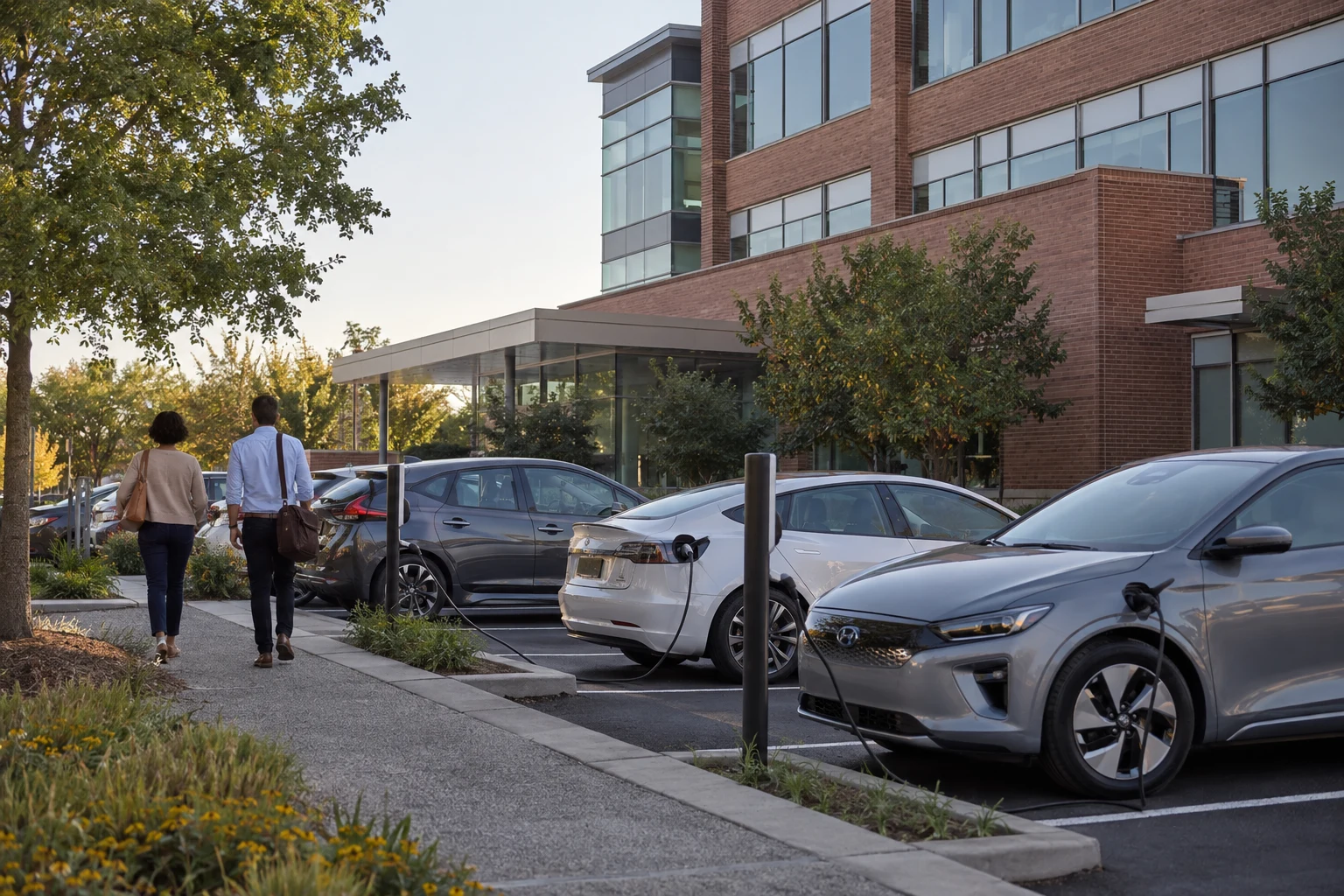
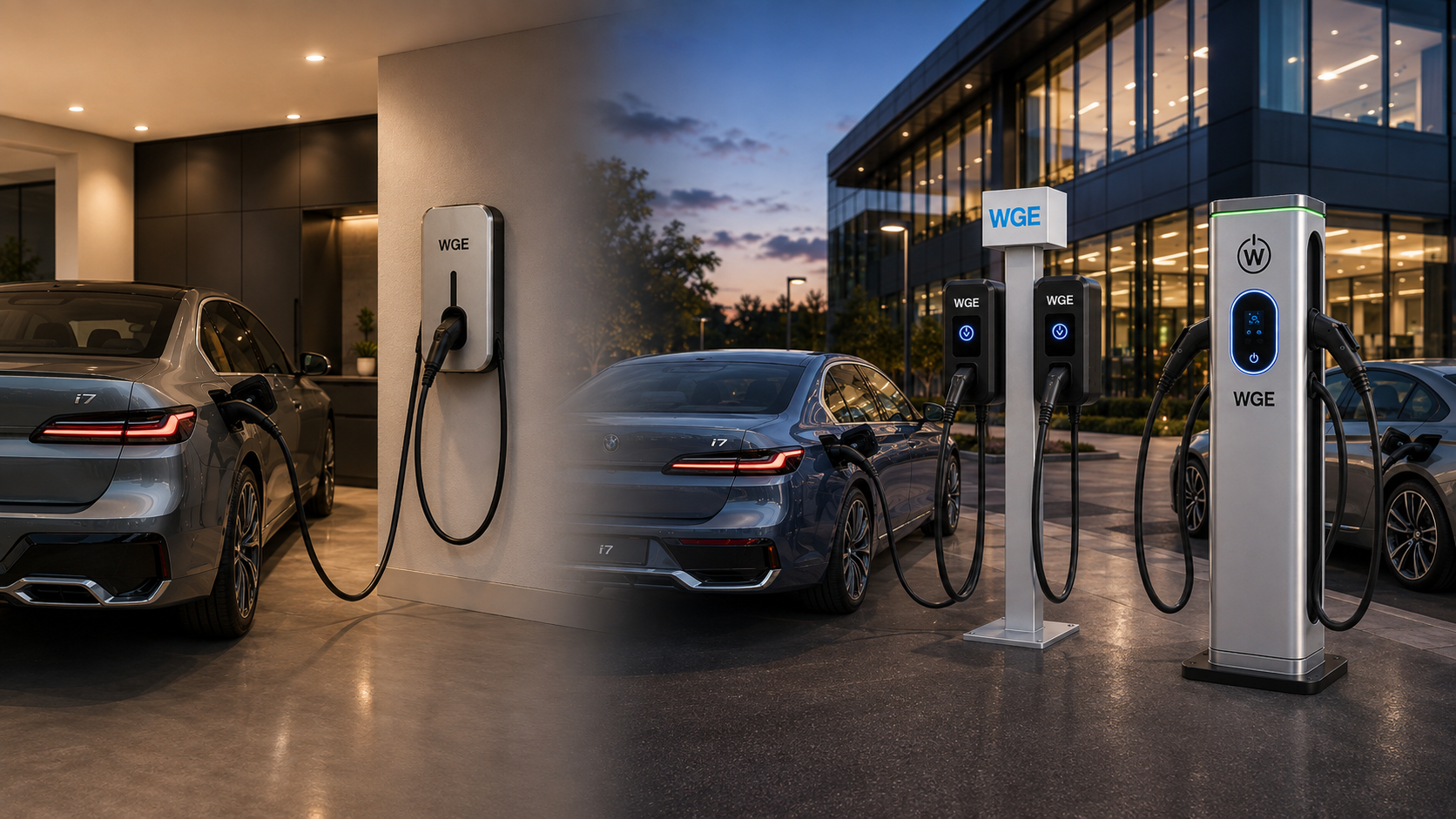
A workplace, apartment community, retail center, hotel, fleet yard, church, parking garage, and public-facing community site can all require very different charging strategies. Start by defining the users before discussing hardware.
- Employees parked for most of the workday
- Residents charging overnight
- Customers or guests making shorter visits
- Fleet vehicles with scheduled departures
- Congregation members or community visitors
- Drivers using a site as a public charging destination
This single decision influences charging speed, number of ports, access controls, payment strategy, signage, operating hours, and the level of support the site will need.
2. Match charging speed to dwell time
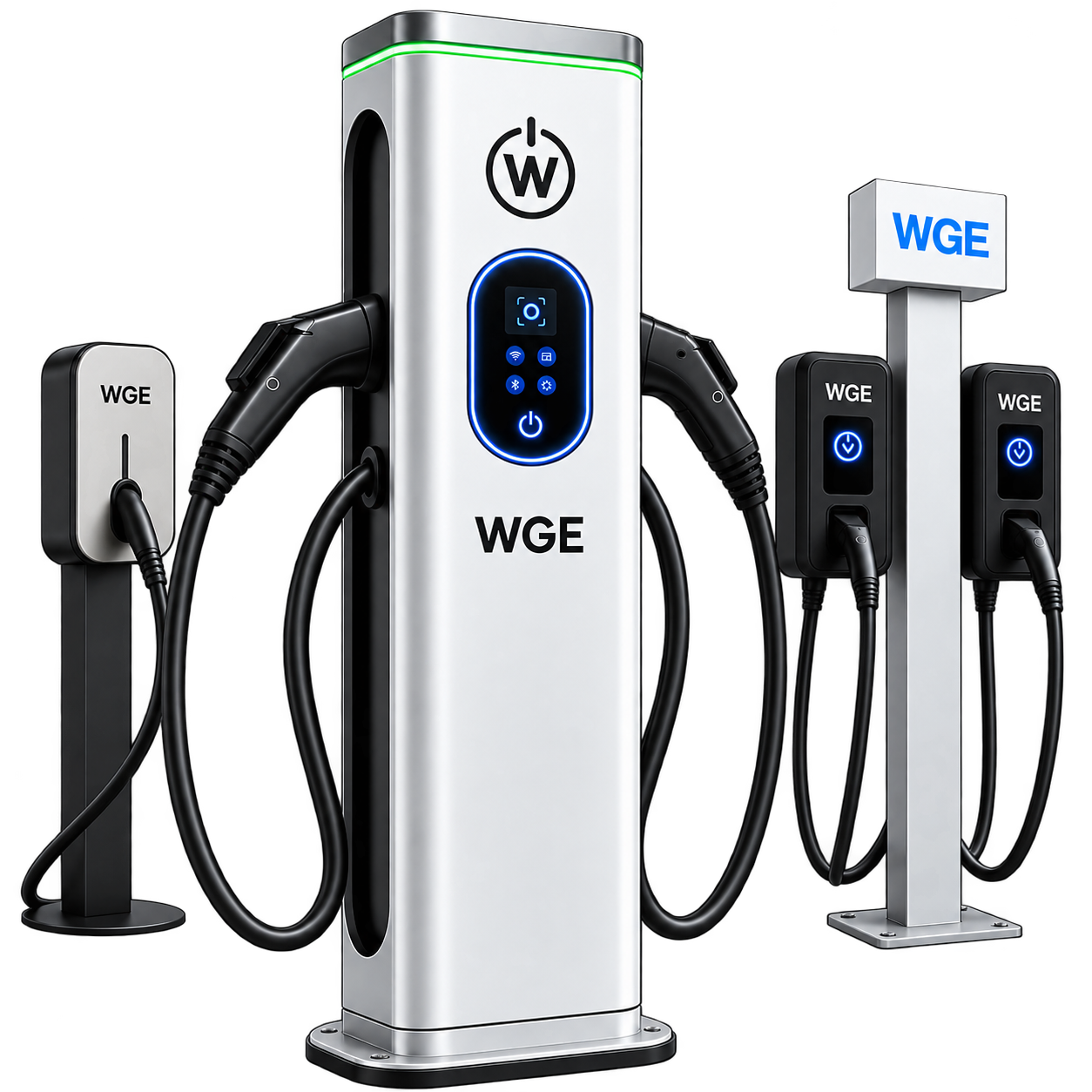
Level 2 charging is often well suited to locations where vehicles remain parked for several hours. DC fast charging is designed for situations where faster turnover matters and can deliver substantially more power — but faster does not automatically mean better.
The U.S. Department of Energy notes that Level 2 commonly serves homes, workplaces, and public destinations, while DC fast charging is intended for rapid charging and higher-throughput use cases. The right choice is the one that matches the site’s parking behavior and business objective.
3. Evaluate electrical capacity before selecting equipment
Electrical capacity can change the scope and economics of an EV charging project more than the charger price itself. A site assessment should look at available service, panel capacity, distance to the proposed charging spaces, likely circuit requirements, and whether upgrades or load management may be appropriate.
For higher-power projects, early utility coordination can become important. Planning first helps avoid the costly mistake of choosing equipment that the site cannot support without major changes.
4. Treat charger placement as a design decision
A convenient parking space is not always an efficient installation location. Charger placement can affect trenching, conduit runs, bollards, traffic flow, cable reach, visibility, lighting, accessible routes, snow or weather exposure, and future expansion.
Commercial sites should also account for accessibility. Federal guidance emphasizes that drivers with disabilities must be able to exit the vehicle, reach the charger, operate controls, and move between the charging space and an accessible route.
5. Decide how the site will operate after installation
The charging experience continues after the equipment is energized. Property teams should decide who can charge, whether sessions are free or paid, how users authenticate, who responds to a fault, how pricing is communicated, and how idle vehicles or blocked spaces will be handled.
Networked charging can provide payment, session reporting, remote monitoring, access control, and energy-management features. Those capabilities should be selected because they support the operating model — not simply because they are available.
6. Build for today without boxing in tomorrow
A property may begin with a small number of ports and need more as EV adoption grows. Future-ready planning can include reserved electrical capacity, conduit pathways, scalable networking, load management, and parking layouts that make expansion less disruptive.
WGE’s commercial approach is designed around this idea: build for today, plan for tomorrow.
7. Understand the business objective
EV charging can serve different purposes: an employee or resident amenity, a customer benefit, a sustainability investment, a community resource, a fleet requirement, a revenue opportunity, or a combination of goals. The design should follow the objective.
The strongest projects connect infrastructure decisions to a clear reason the chargers are being installed in the first place.
Start with a commercial site assessment
Welsh Global Energy evaluates commercial EV charging around the property, its electrical infrastructure, intended users, and long-term goals. WGE’s current commercial services include site evaluation, electrical-capacity review, charger-location planning, design coordination, permitting, utility and inspection coordination, Level 2 and DC fast-charging evaluation, networking, payment-capable solutions, load management, and future expansion planning.
Planning a commercial EV charging project in Illinois? Start with the WGE Commercial Site Assessment at WelshGE.com. Energy Everywhere You Go.
Official references
- Welsh Global Energy — Commercial EV Charging Solutions and FAQs
- U.S. Department of Energy Alternative Fuels Data Center — EV charging infrastructure
- U.S. Department of Energy Alternative Fuels Data Center — Public charging
- Joint Office of Energy and Transportation — Public EV Charging Infrastructure Playbook
- Joint Office of Energy and Transportation — Designing for Accessible EV Charging Stations
This article provides general planning information. Electrical, accessibility, code, and permitting requirements should be evaluated for the specific property and project.