

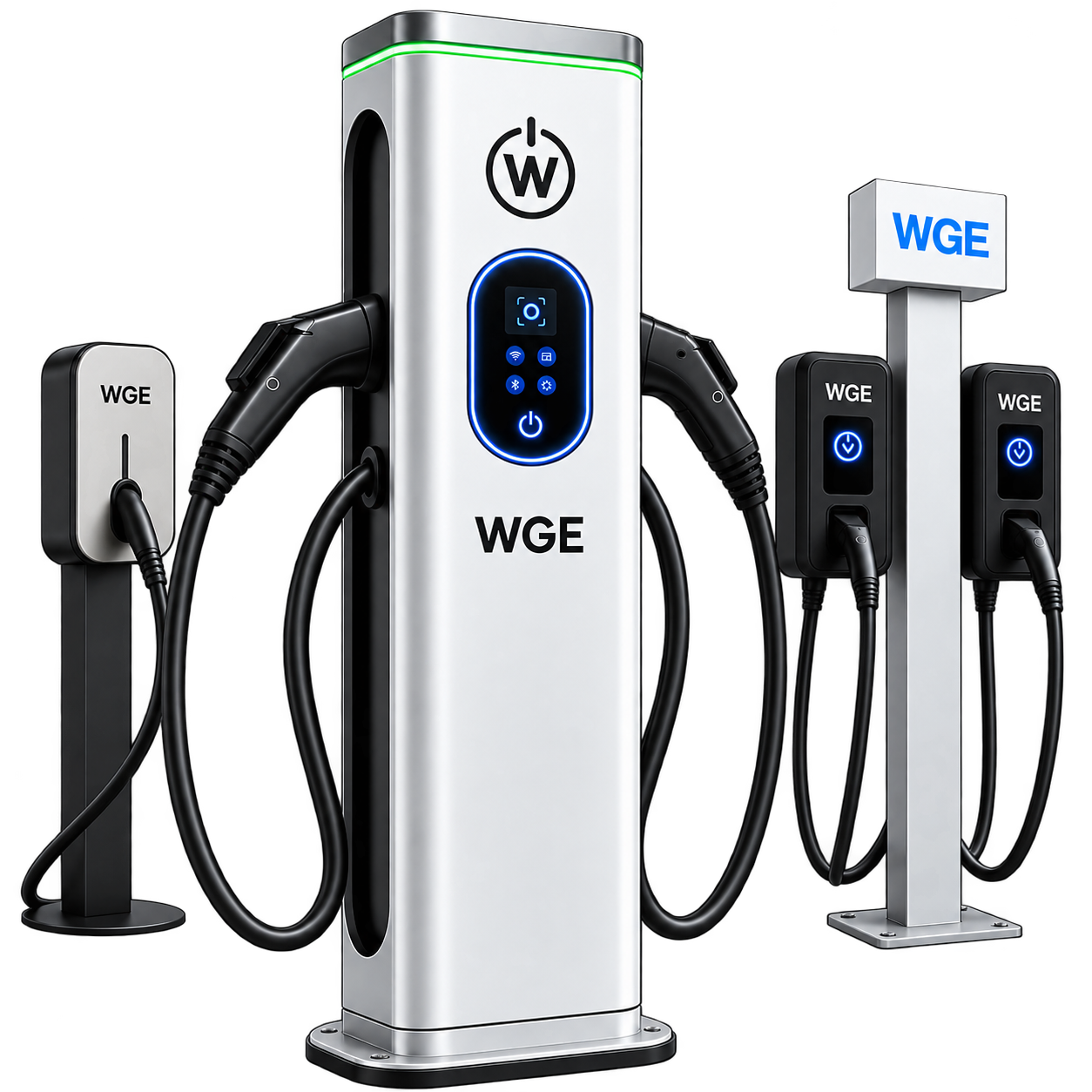



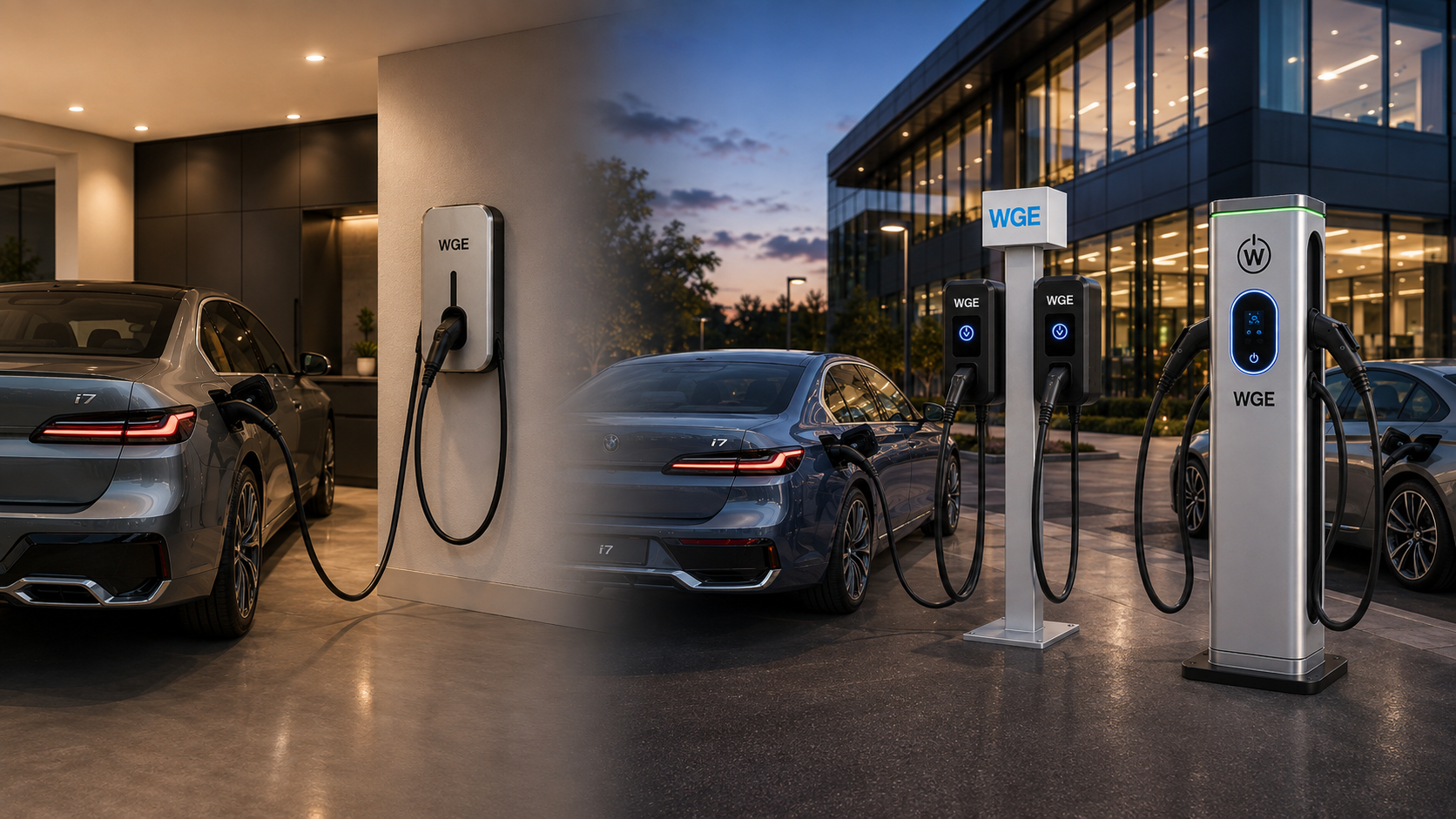
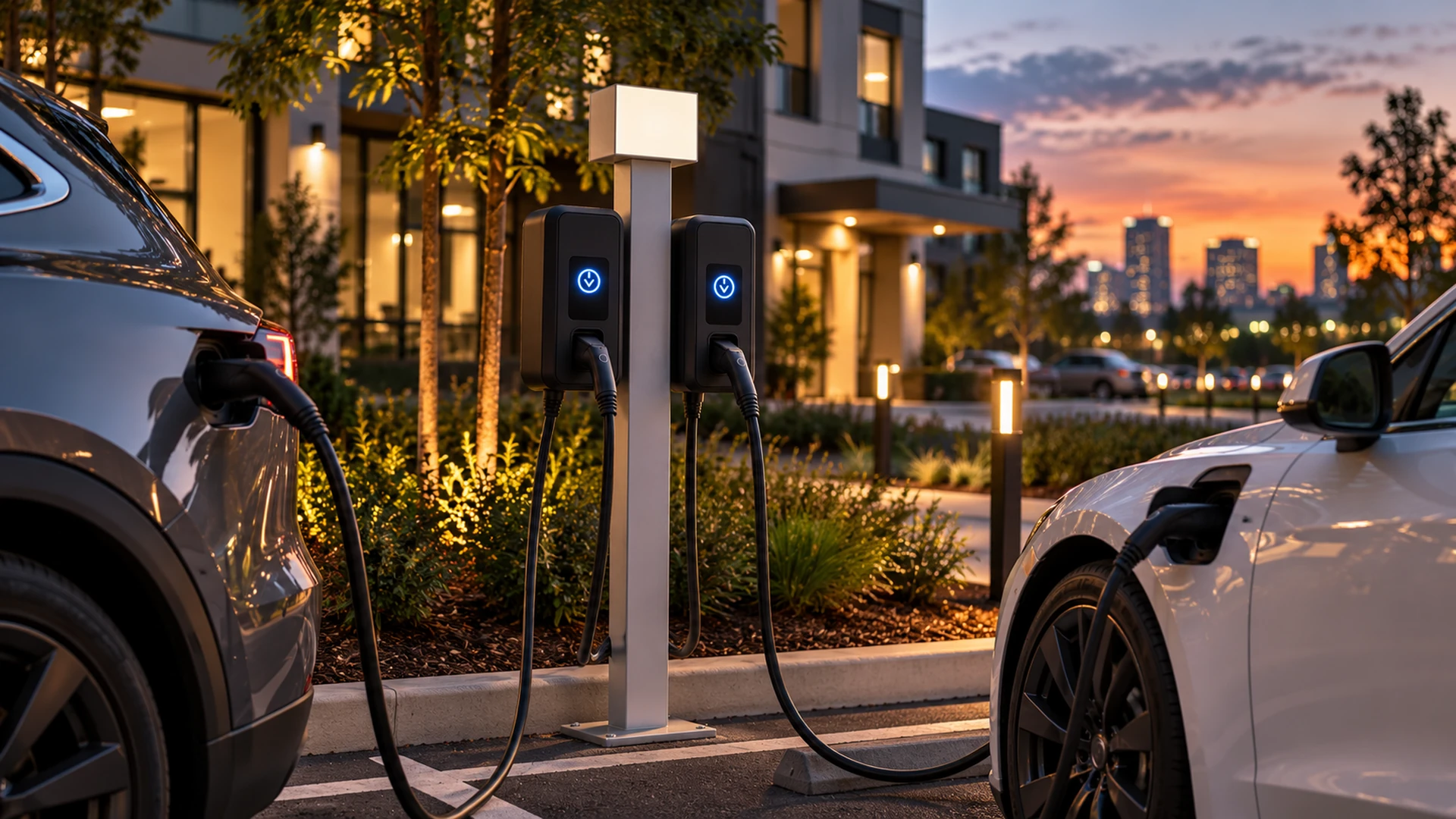
When property owners plan EV charging, the first conversation is usually about electrical power. Power matters, but a commercial charging site may also depend on a second type of infrastructure: network connectivity.
For networked chargers, an internet connection can support driver authorization, payments, monitoring, diagnostics, and site operations. The right connectivity plan depends on the equipment, network services, property layout, and business goals. It is not something every site can safely leave until after the chargers are installed.
What Does a Networked EV Charger Do?
A networked charging station can exchange information with a software or network-service platform. Depending on the system, that platform may help the operator manage driver access, configure pricing, review usage data, and view the charging station's status.
Not every charger has the same capabilities. Non-networked equipment can provide basic charging without many of these connected functions. The correct choice depends on whether the property needs payment features, managed access, operational reporting, or other capabilities.
Why Driver Access Depends on the Operating Model
Think about the people who use the property. A workplace might want employee-only charging. A multifamily property may need residents, guests, and staff to have different access arrangements. A public-facing site may need a straightforward process for drivers who have never visited before.
Depending on its supported features, networked equipment can help manage credentials or authorization through approved accounts, cards, apps, or other mechanisms. Operators still need to decide who manages accounts, how people receive instructions, and what happens when authorization fails.
Technology should support the access policy—not become a confusing barrier to charging.
Payments Are Part of the User Experience
Paid charging involves more than displaying a price. Payment methods, software integration, transaction processing, support contacts, and clear driver instructions all matter.
Some systems support app-based payment, RFID, credit cards, or other options; availability depends on the charger and network. Reliability planning should address what happens when a driver cannot complete a payment or start a charging session.
A network or payment interruption does not necessarily mean the charger is physically broken, but the driver may still be unable to charge under certain configurations. Clear support responsibilities and testing help operators identify the issue.
Monitoring Helps Operators Understand Site Activity
Where the hardware and network support it, remote monitoring can show whether stations are available, report faults, and provide usage information. This can help a facility team distinguish between a physical equipment problem and a possible software, authorization, or communications issue.
Operational data can also help operators understand charging patterns and prepare for future needs. However, remote monitoring does not guarantee that a charger will never fail or that every problem can be fixed remotely.
Someone still needs to own the process for receiving alerts, triaging issues, arranging site visits, and communicating with drivers.
Plan the Connection for the Actual Property
Connectivity that works near an office window may not work equally well in an underground garage or across a large parking facility. Location, building materials, network coverage, security requirements, and infrastructure routes can affect the available options.
Depending on the equipment, a project might consider wired networking, cellular service, or other supported approaches. Each has practical trade-offs that should be evaluated during site planning, not assumed to work everywhere.
Test the proposed network arrangement for the actual charger location and discuss responsibility for service subscriptions, network hardware, troubleshooting, and ongoing access.
Ask About Software Flexibility and Support
Software and equipment compatibility can influence how easily a site changes service providers in the future. For networked charging, it may be useful to ask whether the proposed equipment supports relevant open communications standards such as the Open Charge Point Protocol (OCPP).
Support for a standard should be confirmed for the exact charger model, firmware, network configuration, and proposed provider. Do not assume all equipment can switch networks without restrictions or extra work.
Property owners should also know who updates software, responds to incidents, manages credentials, and handles network-security responsibilities.
Make Connectivity Part of the Site Assessment
A complete commercial EV charging discussion should consider both electrical and digital infrastructure. Define the user experience, payment and access model, monitoring requirements, connection options, service responsibilities, and future expansion needs before locking in equipment choices.
WGE approaches commercial EV charging as a property-specific planning project, including networking and management considerations alongside electrical capacity, parking, installation, and longer-term operations.
Planning charging for a commercial property? Learn about WGE Commercial EV Charging and request a Commercial Site Assessment.
Energy Everywhere You Go.
Frequently Asked Questions
Does every EV charger need an internet connection?
No. Non-networked chargers can provide basic charging. Connected features such as remote monitoring, managed access, and many payment arrangements generally require network capability.
Does a network outage always stop charging?
Not necessarily. Behavior depends on the charger, its configuration, network, and authorization or payment requirements. Ask about the specific equipment and its documented offline behavior.
Should connectivity be checked before installation?
Yes, if the planned system requires network services. Evaluate coverage and connection infrastructure for the actual charger location.
This article is general planning guidance. Features and connectivity requirements depend on the selected equipment and service configuration.