

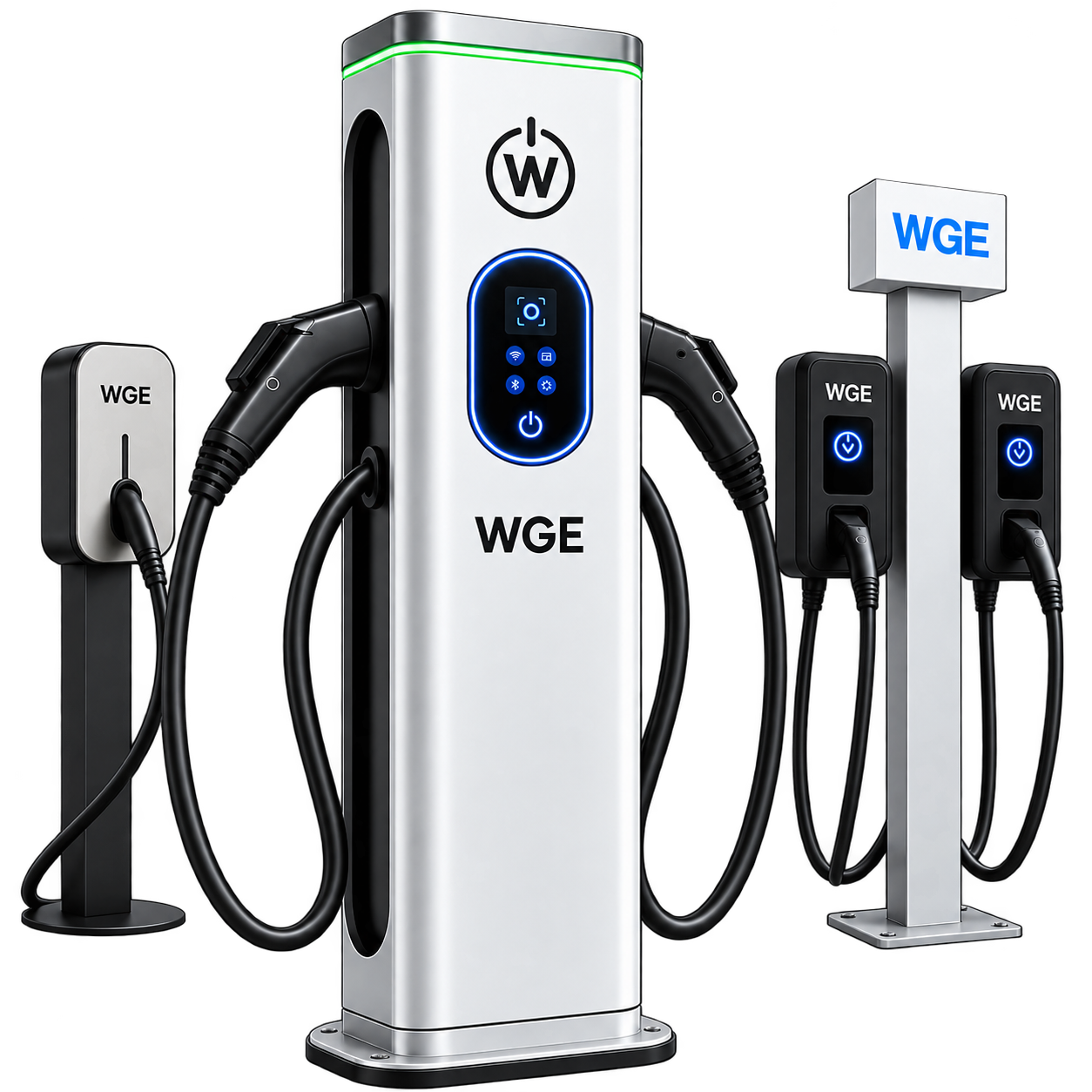



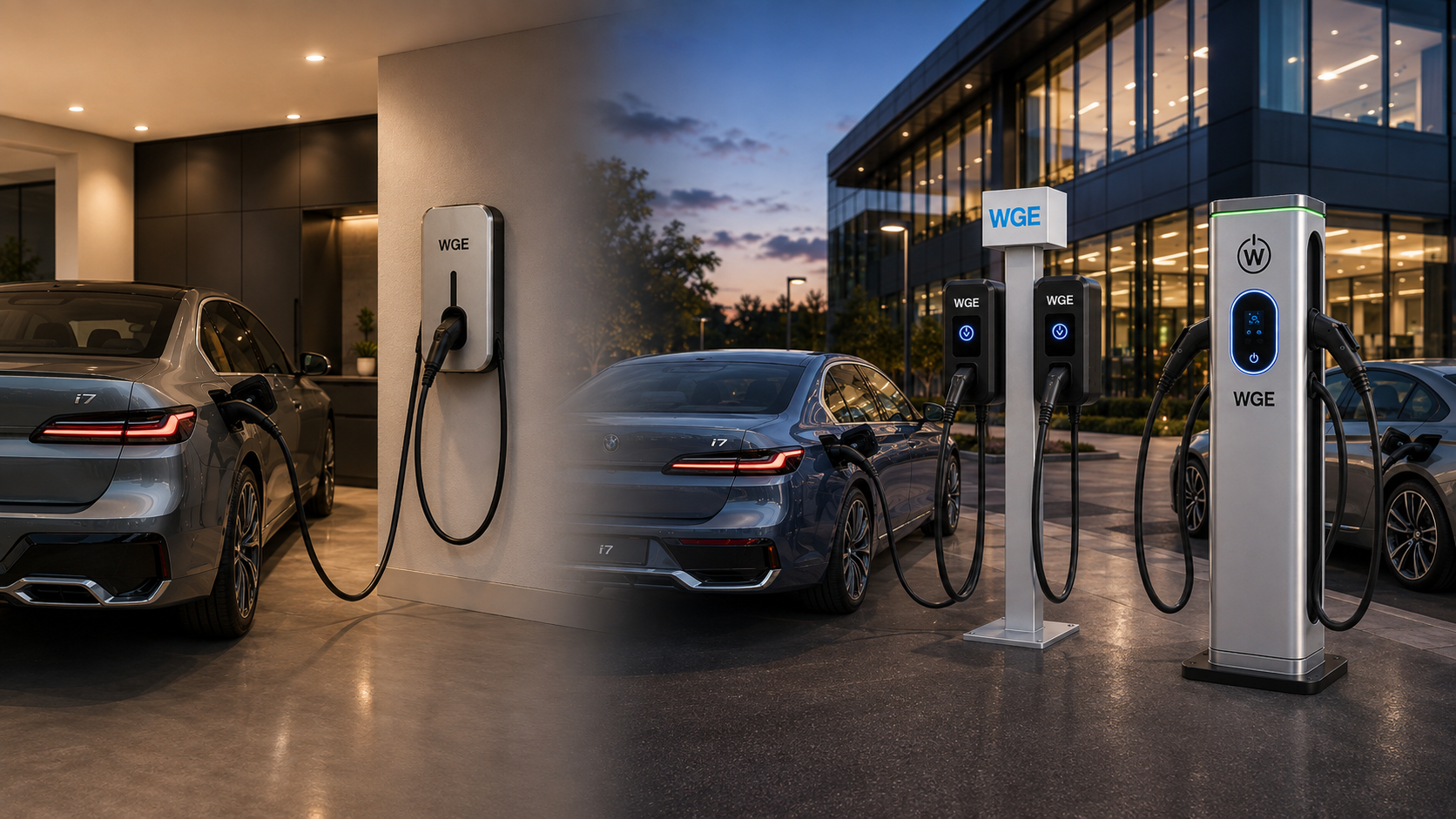

As commercial properties add EV charging, one question quickly becomes important: how will the charging system use the electrical capacity already available at the site?
EV charging load management is a planning approach that helps coordinate charging demand across multiple chargers, vehicles and charging windows. Instead of assuming every charger must always draw its maximum available power at the same time, a managed system can help align charging activity with the site's electrical capacity and operating priorities.
For property owners, facility teams, multifamily operators and fleets, that makes load management less about a single piece of hardware and more about designing the charging system around how the property actually works.
Why load management matters for commercial EV charging
The electrical needs of an EV charging site are shaped by more than the number printed on a charger specification sheet. Charger quantity, charging speed, vehicle dwell time, expected simultaneous use, existing building loads and future expansion all affect the planning conversation.
A small workplace where vehicles remain parked most of the day may have a very different charging profile from a fleet facility with tightly scheduled departures or a public-facing site with shorter charging sessions. Load management can become one tool for matching charging demand to those real operating conditions.
Start with the site's electrical capacity
Before deciding how charging demand should be managed, the property needs a clear picture of the electrical infrastructure already in place. A site review should consider available service, panel capacity, existing building loads, proposed charger quantity and power, and the distance between electrical equipment and the charging area.
The goal is not to assume an upgrade will or will not be required. The goal is to understand the site first so the charging strategy can be built around verified conditions.
How EV charging load management works conceptually
At a high level, load management coordinates how available electrical capacity is distributed among charging ports. Depending on the equipment and operating model, charging power may be allocated according to site limits, charger activity, vehicle needs, schedules or other control rules.
For example, a property may have multiple charging ports but relatively few vehicles charging at the same time during certain hours. A managed approach can help account for that changing demand rather than treating every port as a fixed maximum load at all times.
Load management is not a shortcut around proper electrical design
Managed charging still requires qualified electrical planning. The site, equipment, controls and applicable requirements must work together. Load management should be evaluated as part of the overall design, not used as a substitute for site-specific engineering or code compliance.
Four factors that shape a load-management strategy
- Available power: the electrical capacity that can reasonably be dedicated to charging.
- Charger count and power: how many charging ports are planned and the capability of each one.
- Charging behavior: when vehicles arrive, how long they remain and how quickly they need energy.
- Future growth: whether additional chargers, vehicles or property loads are expected later.
Why dwell time matters
Dwell time can dramatically change the charging strategy. Vehicles parked for an eight-hour workday may not need the same charging rate as vehicles that must return to service quickly. Understanding those charging windows can help a property determine whether available power can be used more strategically.
This is also why WGE's broader planning principle remains important: start with the site, the users and the business objective before selecting equipment.
Load management and future expansion
A site that begins with a handful of chargers may eventually need many more. Planning for future growth can include electrical capacity, conduit pathways, scalable networking, parking layout and a load-management strategy that can adapt as demand changes.
The objective is not to overbuild on day one. It is to avoid creating an initial system that becomes unnecessarily difficult to expand later.
Where load management can be relevant
- Workplaces with several employee charging ports
- Multifamily properties with shared resident charging
- Fleet facilities with scheduled charging windows
- Hotels, retail and destination properties
- Commercial parking facilities
- Sites planning phased EV charging expansion
Start with the property, not the software
Load-management features can be valuable, but the technology should support the operating model - not define it. The right questions come first: Who is charging? How long are vehicles parked? What power is available? How many ports are needed? What does the property want the charging system to accomplish?
Once those questions are understood, load management can be evaluated as part of a complete commercial charging plan.
Frequently asked questions
What is EV charging load management?
EV charging load management is a strategy for coordinating charging demand across multiple chargers or vehicles so charging activity can be planned around available site capacity and operating priorities.
Does load management mean every charger delivers less power?
Not necessarily. How power is allocated depends on the system, available capacity, active charging sessions and the site's operating strategy.
Can load management eliminate the need for an electrical upgrade?
It should not be assumed. Whether an upgrade is needed depends on the specific electrical service, existing loads, charger design and project requirements.
Is load management useful for multifamily properties?
It can be relevant where multiple residents share charging infrastructure, particularly when the property wants to plan around limited capacity and future growth.
Does load management work with DC fast charging?
Managed charging concepts can be relevant to different charging environments, but higher-power sites require careful site-specific electrical and utility planning.
Who should design the electrical strategy?
Commercial charging and electrical requirements should be evaluated by qualified professionals familiar with the property, equipment and local requirements.
Plan commercial EV charging with WGE
Welsh Global Energy approaches commercial EV charging around the property, its electrical infrastructure, intended users and long-term goals. That includes evaluating charging levels, site capacity, charger placement, networking, load management and future expansion.
Planning a commercial EV charging project? Learn more at WelshGE.com. Energy Everywhere You Go.